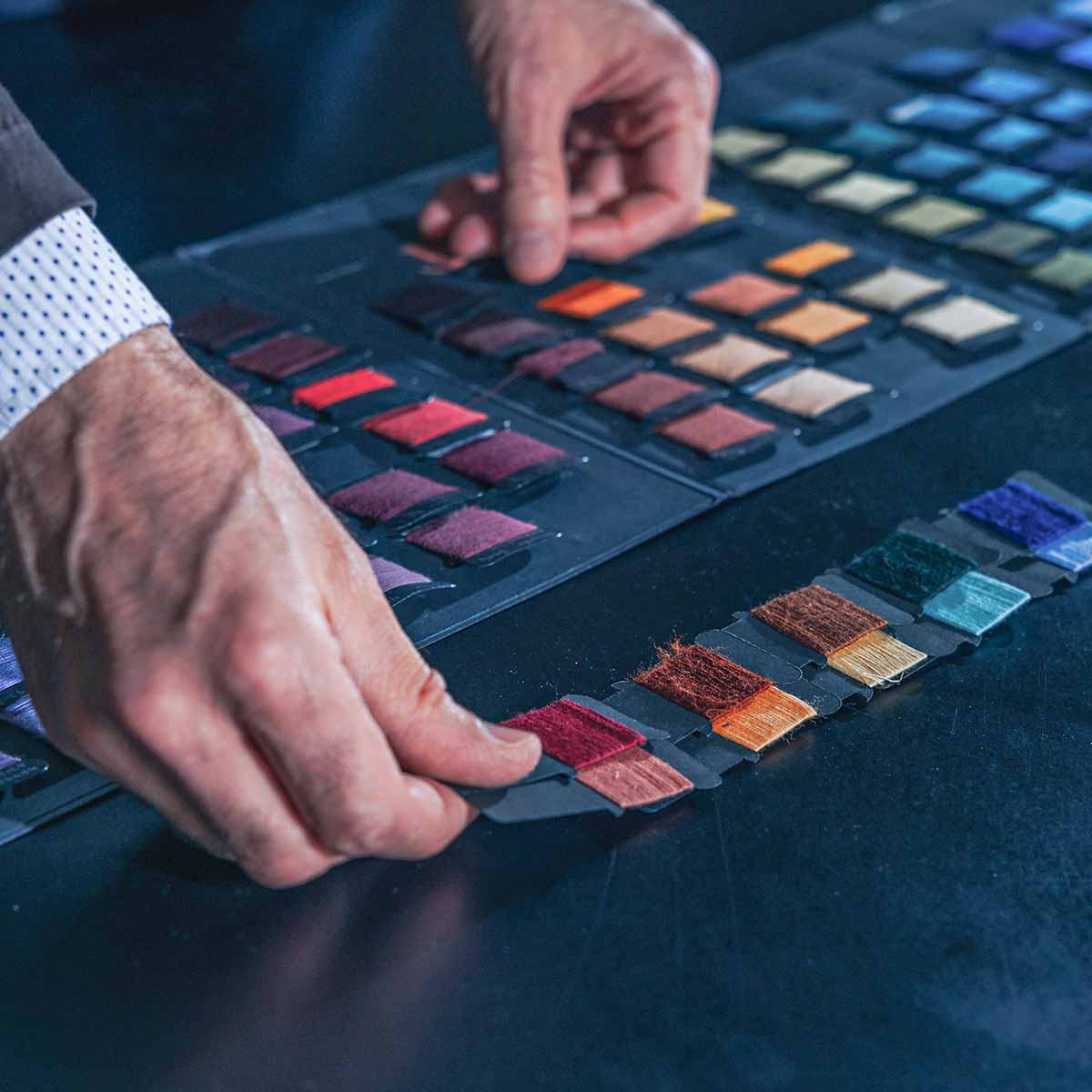

Made in Reda: the design department
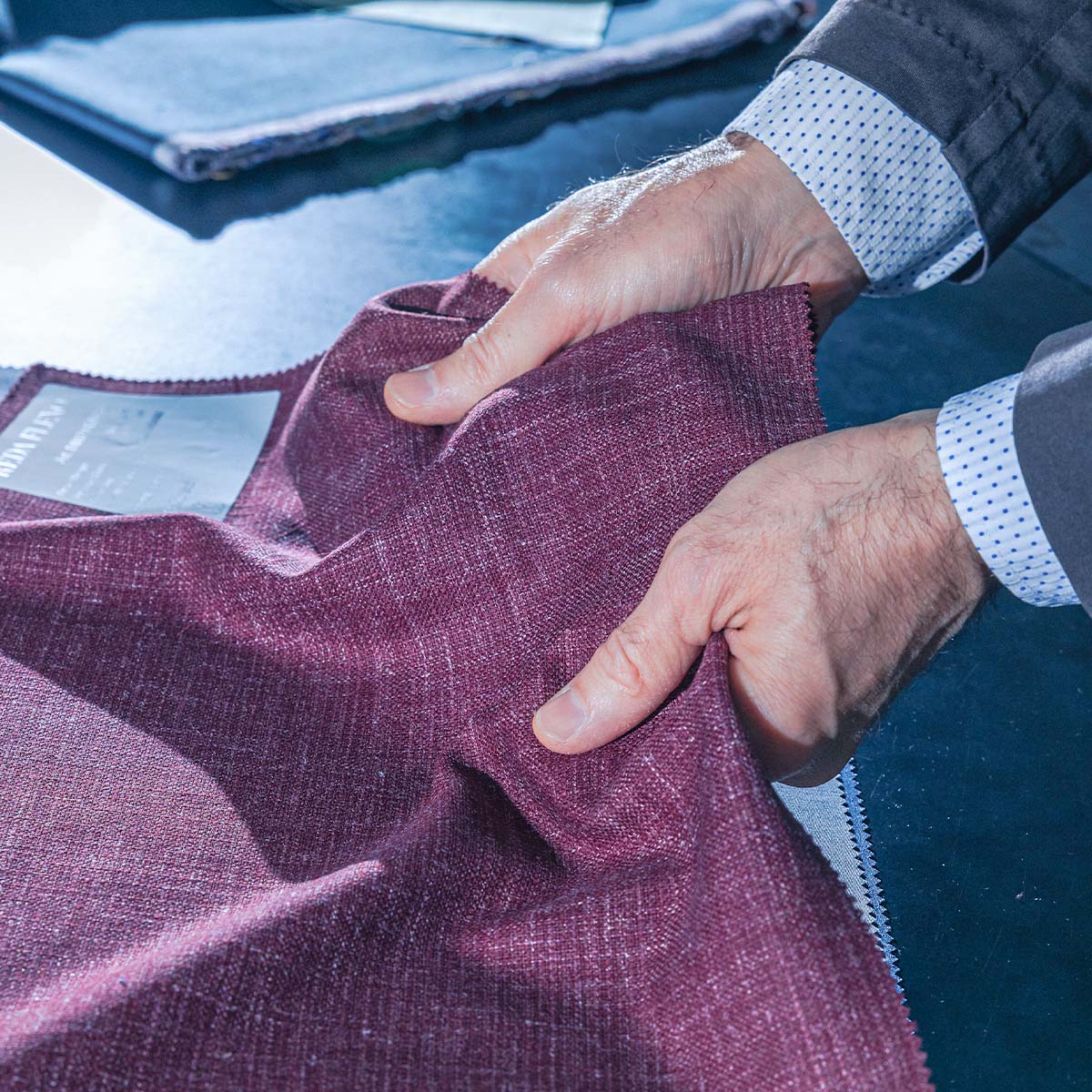
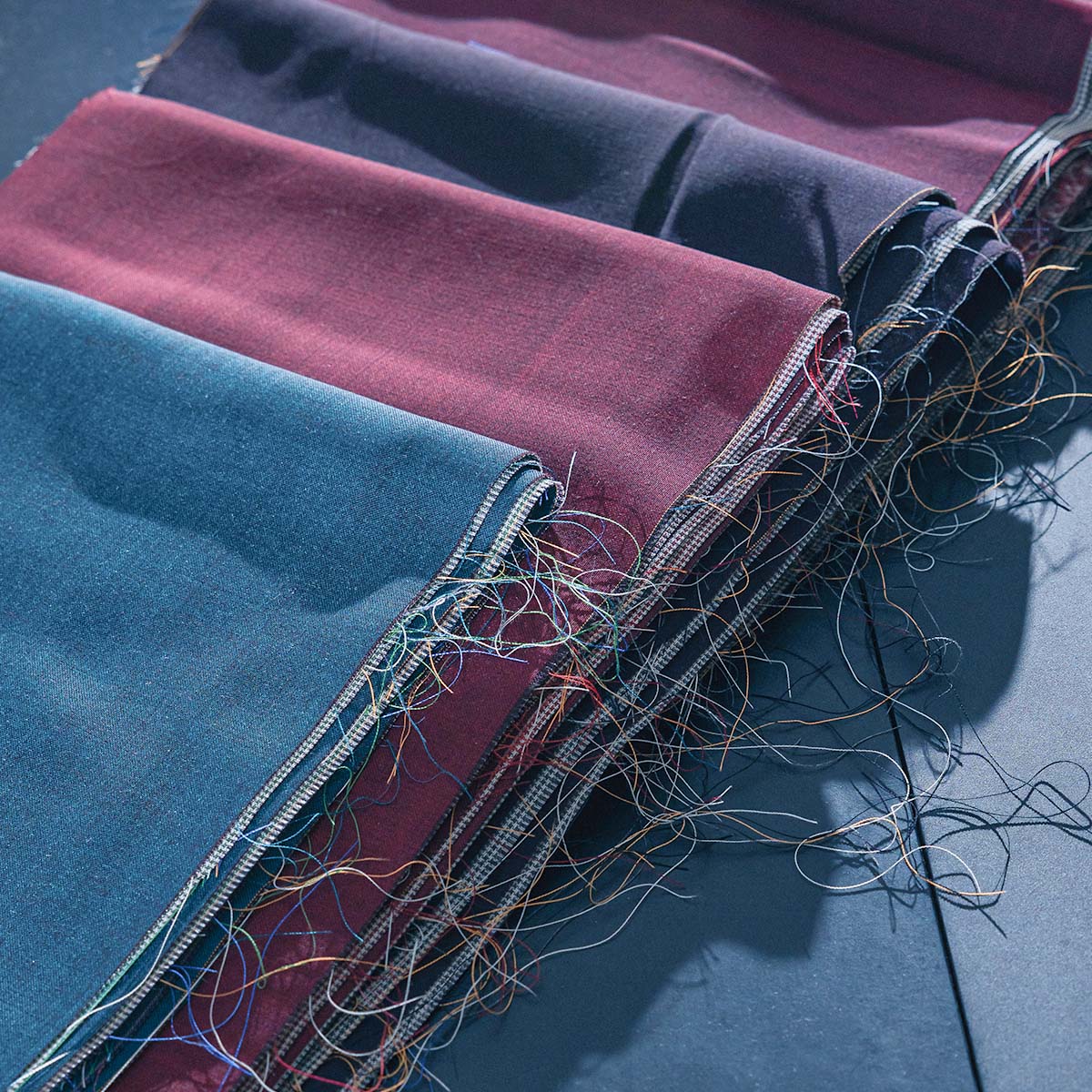
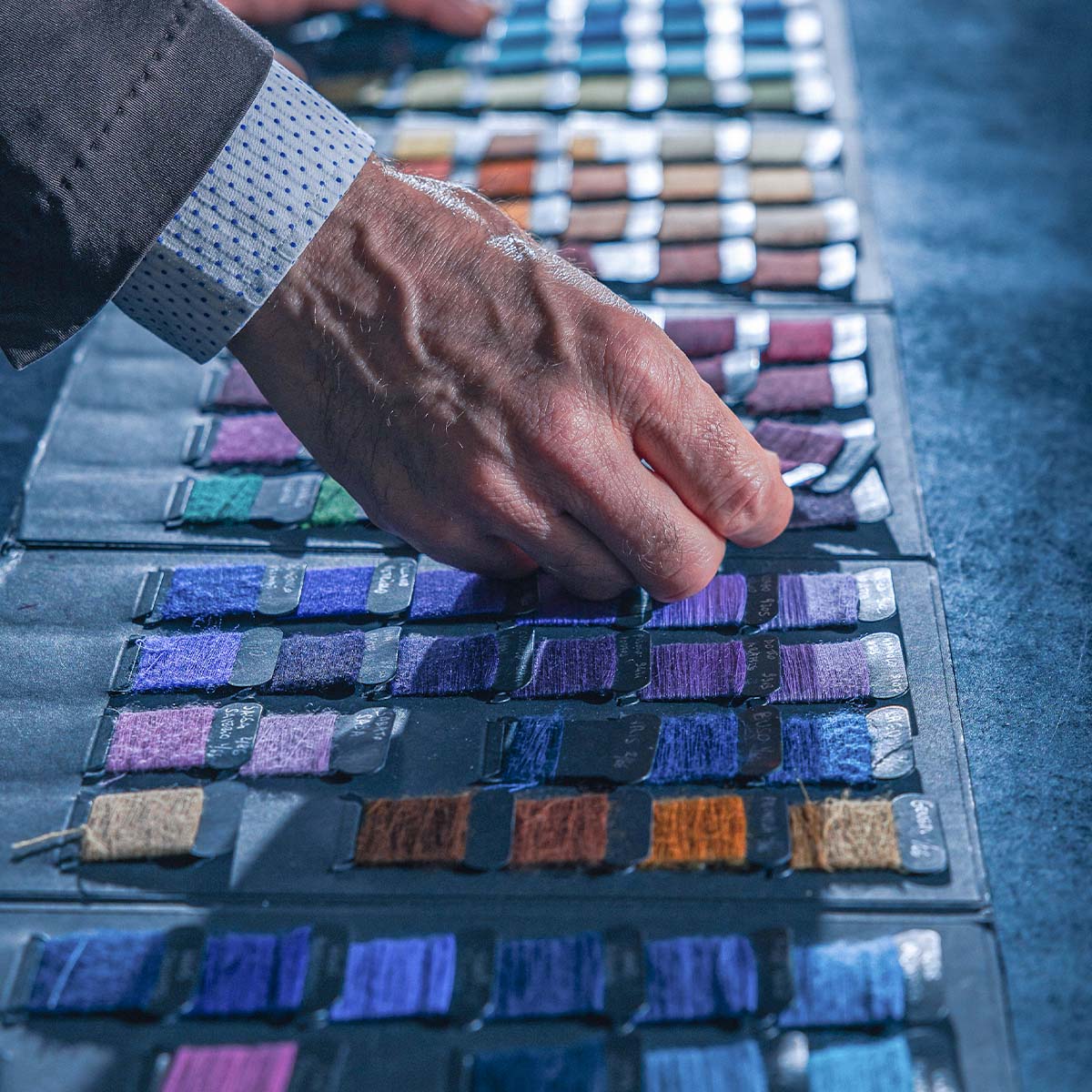
The art of creating fabrics has ancient origins, and in Reda, it is enriched by the continuous desire to experiment and innovate. This way, textile creations can be increasingly tailored to the needs of the end consumer. Development of performance and respect for tailoring tradition are just some of the values reflected in the company’s three iconic product lines: Reda 1865, Reda Flexo (for Formalwear), and Reda Active (for Leisurewear). Perhaps not everyone knows how much work and passion are hidden behind the creation of Reda collections, which is why it is important to know those who, with enthusiasm and dedication, seek to introduce innovations every season capable of satisfying contemporary style needs. We interviewed Franco Martines, Product Manager for Reda 1865 and Reda Flexo, with 35 years of experience in the company, and Massimiliano Pera Visun, Product Director for Reda Active, with 27 years in the company, to gain a deeper understanding of what it means to work in Reda’s design department and how crucial their work is for the production of high-quality products.
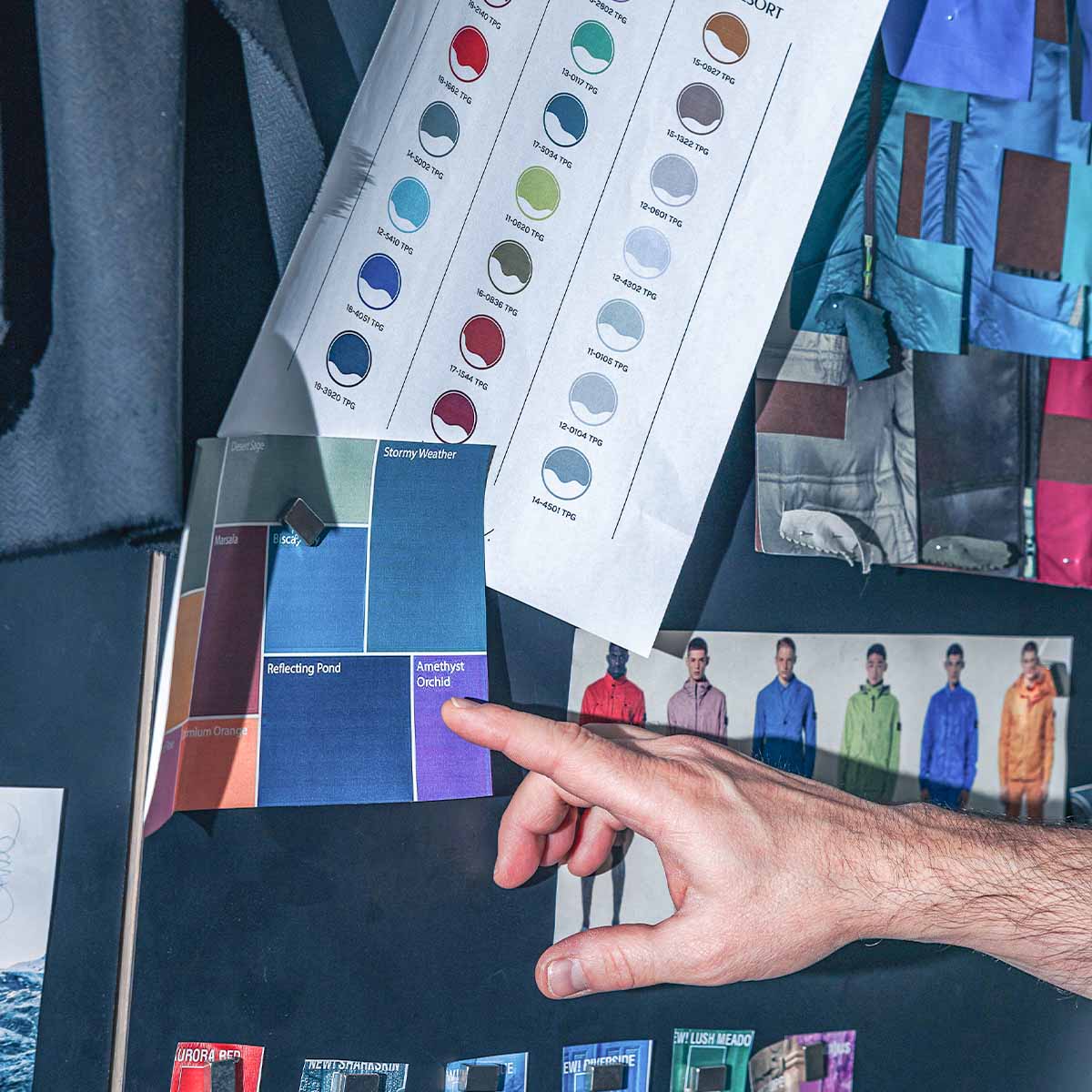
What are the aspects that characterize the work and goals within Reda’s design department? “My job involves setting the collection’s guidelines and inspirational themes for my team, outlining product strategies, ensuring the development and timely delivery of my team’s work, and achieving goals for enhancing the company’s image and performance by focusing on research, innovation, and sustainability while respecting the tradition of high drapery,” explains Franco Martines. “The main goal of my work is to combine innovation and sustainability within the Active collection, striving to explore new avenues in terms of verticals that are not part of the traditional Reda customer landscape,” adds Massimiliano Pera Visun.
In Reda, the captivating activity of creating fabrics takes on an entirely new dimension and fully leverages technological innovation to achieve increasingly precise and sophisticated results, with a clear optimization of timing and procedures. “Weaving has ancient origins. Traces of it can be found as far back as the Neolithic period, when the first interweaving of natural fibers to create baskets and rudimentary textiles was discovered. In ancient Greece, weaving was considered an art, with famous references even in mythology, like the myth of Arachne and Penelope’s loom. When I started working, textile design was patiently done by hand on grid paper, marking the interweaving of threads and weft with many dots and coloring with colored pencils to represent the colors of the threads to achieve the desired fabric effect. Today, this work is entirely computer-based, yielding high-resolution images. The program we use is called CAD, and fittingly, its name is Penelope,” recounts Franco Martines. He adds, “CAD has marked an incredible evolution in our work as textile designers. Beyond speeding up the project, we can now immediately see the realization of our ideas. Digital evolution is the present, but it’s also an ongoing expansion process and the only truly sustainable model to prevent waste and aim directly for results that align closely with the market and the desires of the end customer.”
Reda has fully embraced digital innovation and, through technological development, aims to facilitate the work in order to offer a final product that is genuinely sustainable, not only in terms of raw materials but also in terms of processes, with a continuous focus on waste reduction.
But what is the most satisfying aspect of working within the design department? Massimiliano Pera Visun has no doubts: “Being able to design fabrics that bring everyday people all the technical performance normally found in the world of sports, breaking down barriers and prejudices about the type of unconventional product we offer.” And what is the most challenging aspect? “Innovating while respecting tradition, maintaining an industrial vision of research, aiming for a streamlined process that fosters product development in both the continuous evolution of taste and image and in an efficient and high-quality manner – these are essential conditions for a company’s success. In a few words, my work must strike a balance between creativity, technique, respect for industrial production, and sustainability,” says Franco Martines.
In the design department, a spirit of collaboration is also crucial, a value that underlies every idea and sharing, allowing the team to achieve significant milestones. “The teamwork we implement every day, the daily exchange with my colleagues in the design office, the sales department, and all department heads, manages to ensure the achievement of very challenging results, which are the cornerstone of all Active projects,” says Massimiliano Pera Visun. Franco Martines adds, “I believe that working serenely and involving my team in reasoning, reflection, and decision-making is certainly a useful model for achieving one’s goals. I pride myself on having incredible and reliable people by my side. My success, the company’s success, depends on their skill. What I always ask for is this: surprise me!”
This is a challenging job, but at the same time, it’s rich in rewards. “For those who wish to pursue this career, I advise always being curious, staying humble, never considering oneself as having arrived, never stopping learning, consistently putting in effort, and never giving in to difficulties. As our owner says, never forgetting that our job is the most beautiful in the world,” concludes Massimiliano Pera Visun. Listening to their words, this job undoubtedly appears as one of the most gratifying, a job that demands great commitment and creativity and has the ability to envision textile creation even before it takes shape and becomes, in every sense, a Reda excellence fabric.