

We don’t just produce fabric.
We study wool.

At Reda, research begins with a deep understanding of Merino wool, one of the most complex fibers found in nature.

The Research and Development department was established to unlock the full potential of Merino wool and transform acquired knowledge into tangible process and product solutions for the textile industry.

Through an interdisciplinary approach that combines expertise in textiles, chemistry, and technology, research becomes an essential part of the industrial process and guides Reda’s evolution.

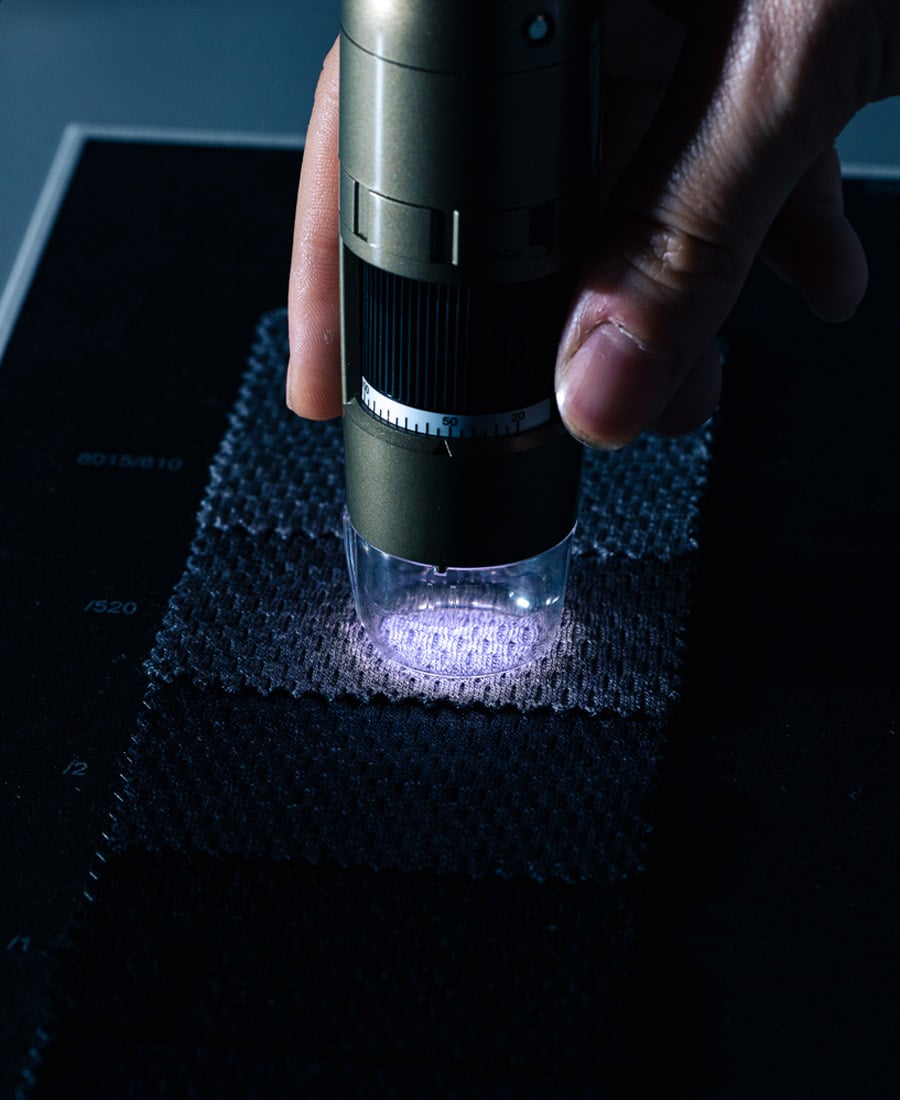
Hand holding a digital microscope over a dark knitted fabric swatch to inspect its texture

Research as a driver of excellence

At Reda, research is a fundamental pillar of the industrial process, playing a strategic and essential role in achieving the company’s standards of excellence.

Since 2000, the Research and Development department has applied scientific rigor to the study of wool properties, with the aim of translating acquired knowledge into tangible product innovation.

It is a continuous process that brings together multidisciplinary expertise, state-of-the-art technology, and a strong network of internal and external collaborations. This approach expands the company’s knowledge base and supports the development of innovative, advanced solutions.

An integrated system of knowledge

The Research and Development department operates as an integrated network of expertise, where different disciplines interact in a structured and collaborative way.

Knowledge in chemistry, engineering, material analysis, and textile technology comes together in a multidisciplinary approach that makes it possible to study wool from new perspectives and transfer expertise from industries beyond the textile sector.

This dynamic system continuously drives innovation through three different models of knowledge transfer:

  • technology transfer
  • transfer of advanced analytical tools
  • transfer of expertise across people and disciplines
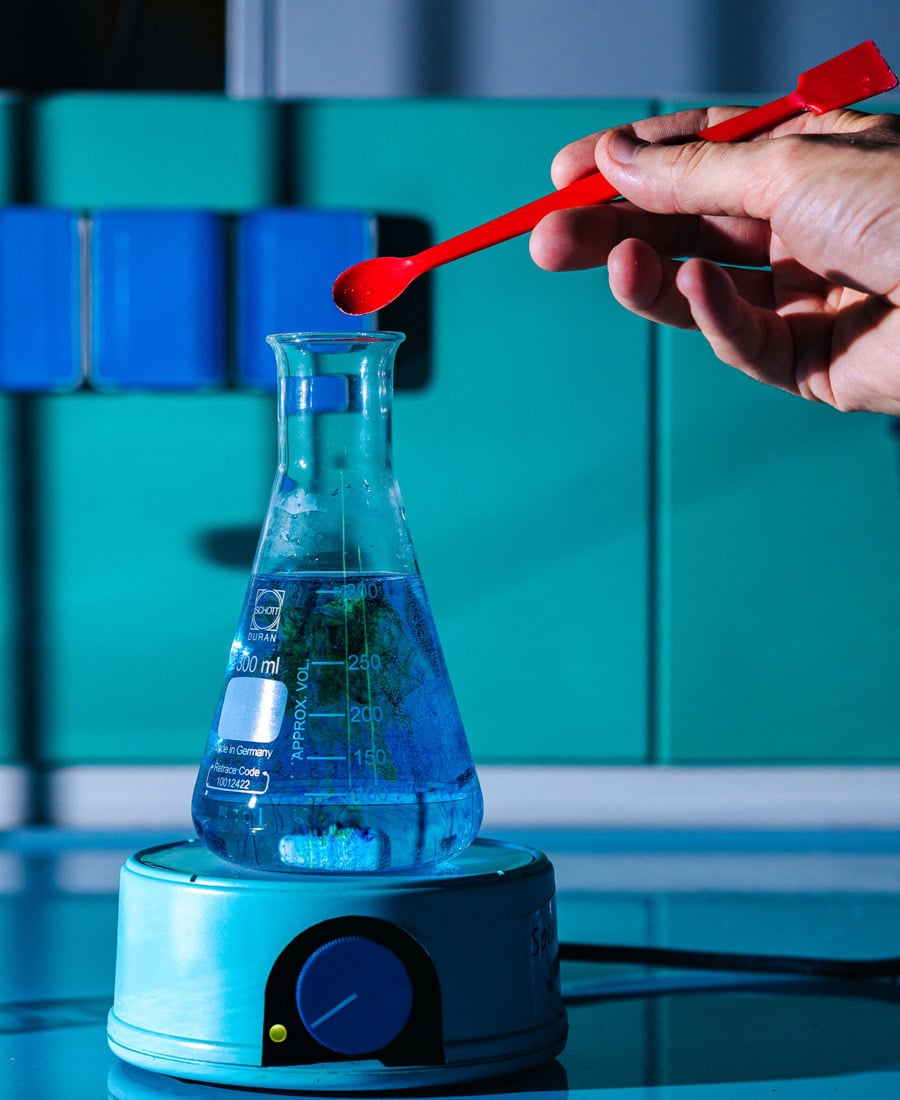
Hand holding a red spatula over a 300 ml Erlenmeyer flask of blue liquid on a magnetic stirrer in a lab
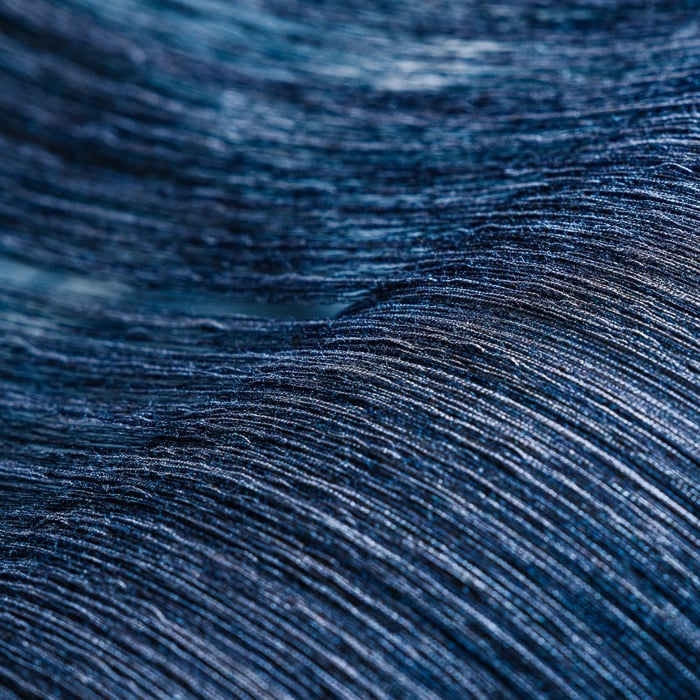
Close-up of a deep blue woven fabric with fine horizontal threads forming soft, undulating folds
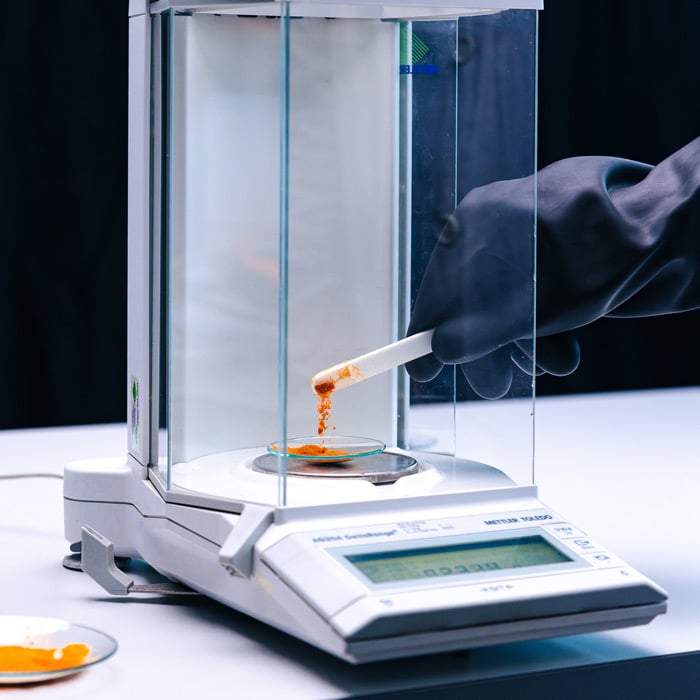
Gloved hand pours orange powder from a spatula onto a watch glass on a Mettler Toledo analytical balance

From knowledge to product

Every research project begins with an in-depth understanding of the fiber. Merino wool is a complex material, and only through a detailed analysis of its physical and chemical properties is it possible to develop innovative product solutions.

From the initial study, the process moves through prototype development and final validation. Every innovation undergoes rigorous testing, is demonstrated, and is translated into a tangible result, ensuring that the added value of the product is immediately recognizable both within the organization and to the end customer.
The path to innovation is shaped by trials, errors, and continuous revisions. Every obstacle becomes an opportunity for growth, while every change in direction opens new possibilities.

Knowledge evolves through this process, giving rise to ideas rooted in experience and projected toward the future. From this perspective, research is not only a method, but a philosophy in which professionalism is measured by the ability to embrace uncertainty and recognize failure as the first step toward excellence.

Innovation as a synergy between product and process

Research and Development activity delivers a tangible impact on the final product. Every innovation developed in Reda’s laboratories is transferred directly into its fabrics, bringing meaningful improvements in performance, functionality, and aesthetics.

This approach enables Reda to anticipate market developments and offer increasingly advanced solutions while maintaining the optimal balance between innovation, quality, and responsibility.

Research areas

To guide innovation in a structured way, Reda has identified several strategic areas of development that represent its main fields of experimentation.

A journey in constant evolution

Over time, Reda’s research activity has led to the development of innovative solutions that have helped redefine the potential of wool.

These include:

  • naturally stretch fabrics made from pure Merino wool
  •  research into natural dyes
  • technical and biodegradable membranes
  •  regenerated fibers from alternative sources
  • temperature-regulating technologies
  • low-water printing processes


A path of continuous development, driven by projects designed to improve performance, process efficiency, and environmental impact.

A history of continuous innovation

Since 2000, when the Research and Development department was established, Reda has pursued a structured and rigorous path of innovation focused on the scientific study of wool and the development of increasingly advanced technological solutions.

Over the years, its research activities have generated projects and technologies that have significantly expanded the potential of Merino wool, redefining its possible applications across industrial and creative fields.

Wool performance.

A central area of research is dedicated to studying and demonstrating the natural performance of wool.

Through tests developed in-house, Reda analyzes and makes tangible properties such as:

  • thermoregulation
  • breathability
  • odor absorption
  • wrinkle resistance
  • water repellency

These properties, which are intrinsic to the fiber, are studied, measured, and enhanced to create increasingly high-performing and versatile products.

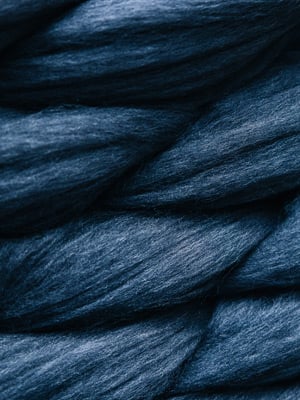
Close-up of thick twisted strands of soft navy blue wool roving
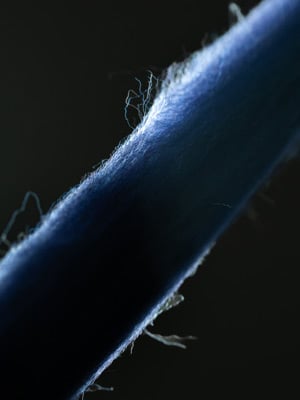
Close-up of a blue wool yarn with fine fibers catching the light against a dark background
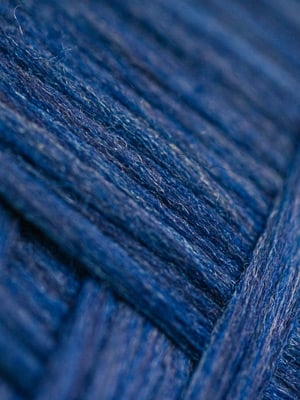
Close-up of navy blue woolen yarn strands with a soft, fuzzy texture, wound in overlapping layers

Experiencing research

The Research and Development department also serves as an experiential space dedicated to excellence.

In this way, research becomes a tangible experience, making visible and understandable aspects that would otherwise remain hidden.

Responsible innovation

Every research project is designed to reduce environmental impact, improve process efficiency, and develop more responsible materials while maintaining high quality standards.

A balance between technological progress and respect for the environment guides every decision.